
Our Story
Climbr started as internal tooling at mbadv agency. The problem was never producing SEO work — it was that nobody could say, six weeks later, which of it had helped. So we built the measurement first, and the automation around it.
We spent years doing SEO for clients and never really knowing which changes had worked. So we built Climbr — which proposes one change at a time, and then measures it.


Climbr started as internal tooling at mbadv agency. The problem was never producing SEO work — it was that nobody could say, six weeks later, which of it had helped. So we built the measurement first, and the automation around it.

To make SEO work accountable. Every change Climbr makes carries a reason before it ships and a verdict after — including the honest one, which is that there was too little traffic to tell.

SEO where nobody has to take anyone’s word for it. The work proposes itself, a person approves it, and the numbers — not a report — say whether to keep going.
These are not aspirations. Each one is a rule that the code enforces, and each one cost us something to learn.
A model is good at judgement and bad at bookkeeping. So the agent decides what should change and the code performs the change — which is why a bad answer costs you a rejected proposal, never a broken page.
A page nobody inspected is not a page that failed. Climbr keeps the two apart everywhere it counts something, because collapsing them manufactures failures — and a manufactured failure stops the work for a reason that was never true.
Every figure you see was measured, and what it was measured on is written next to it. We publish no client metrics we cannot attribute, and no benchmarks we did not run — not even as placeholders.
The threshold is written before the numbers arrive, because a threshold decided afterwards is a threshold chosen to let the result through. When a batch falls under it, Climbr stops producing more of the same.
Four things Climbr does that a person doing this by hand runs out of patience for.
The verdict on a change needs 28 days of data plus Google’s reporting lag. Nobody remembers to go back and look. Climbr does, and writes what it found next to the change.
Scout finds, Surgeon proposes an edit, Arlo writes what is missing, Keeper checks Google saw it. Narrow jobs, because an agent that can do anything is an agent whose mistakes you cannot predict.
Impressions, clicks and positions come from Search Console; whether a URL is indexed comes from Google’s inspection API, asked page by page. No crawler of ours guessing on Google’s behalf.
Climbr snapshots the item before touching it and publishes that item alone, never the whole site. On a multilingual site it writes to the locale the page is actually in — read from the page, not guessed from the browser.
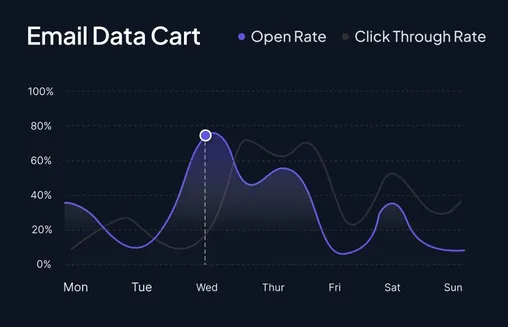
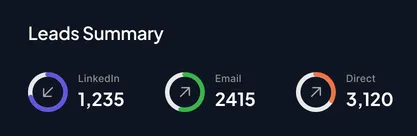
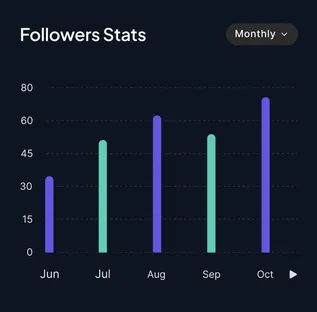
Find quick answers to common questions here about Climbr
It reads your Search Console data to find what is underperforming, proposes a specific change to a specific page, waits for your approval, writes it to your CMS, checks that Google indexed it, and then — weeks later — measures whether it worked. It also writes new pages where you have none, and measures those as a batch.
Not at all. Climbr is designed for marketers, agency owners, and SEO professionals — not developers. You connect your Webflow site, pick what you want covered, and the agents handle the rest. Everything is managed through a simple dashboard.
A writing tool hands you text and the question of whether it helped stays open forever. Climbr closes it: the same 28-day window of your own search data, measured before and after each change, with a verdict that is allowed to say there was not enough traffic to tell. And when a batch of new pages does not earn its keep, it stops producing more.
Webflow. You connect your Webflow credentials during onboarding and Climbr reads and writes through the CMS API, always after your approval. Other platforms are not supported yet — when they are, they will be listed here and not before.
You have to. There is no mode where Climbr writes to your site on its own: the approval step is in the code path, not in a setting. Everything — a rewritten title, an added internal link, a new page — waits in the approvals queue until you say yes, and can be rolled back afterwards.
Start with a free Scout scan: it reads your Search Console data and shows what your site is leaving on the table. No credit card, and nothing is written to your site.